Current Research at Dartmouth College
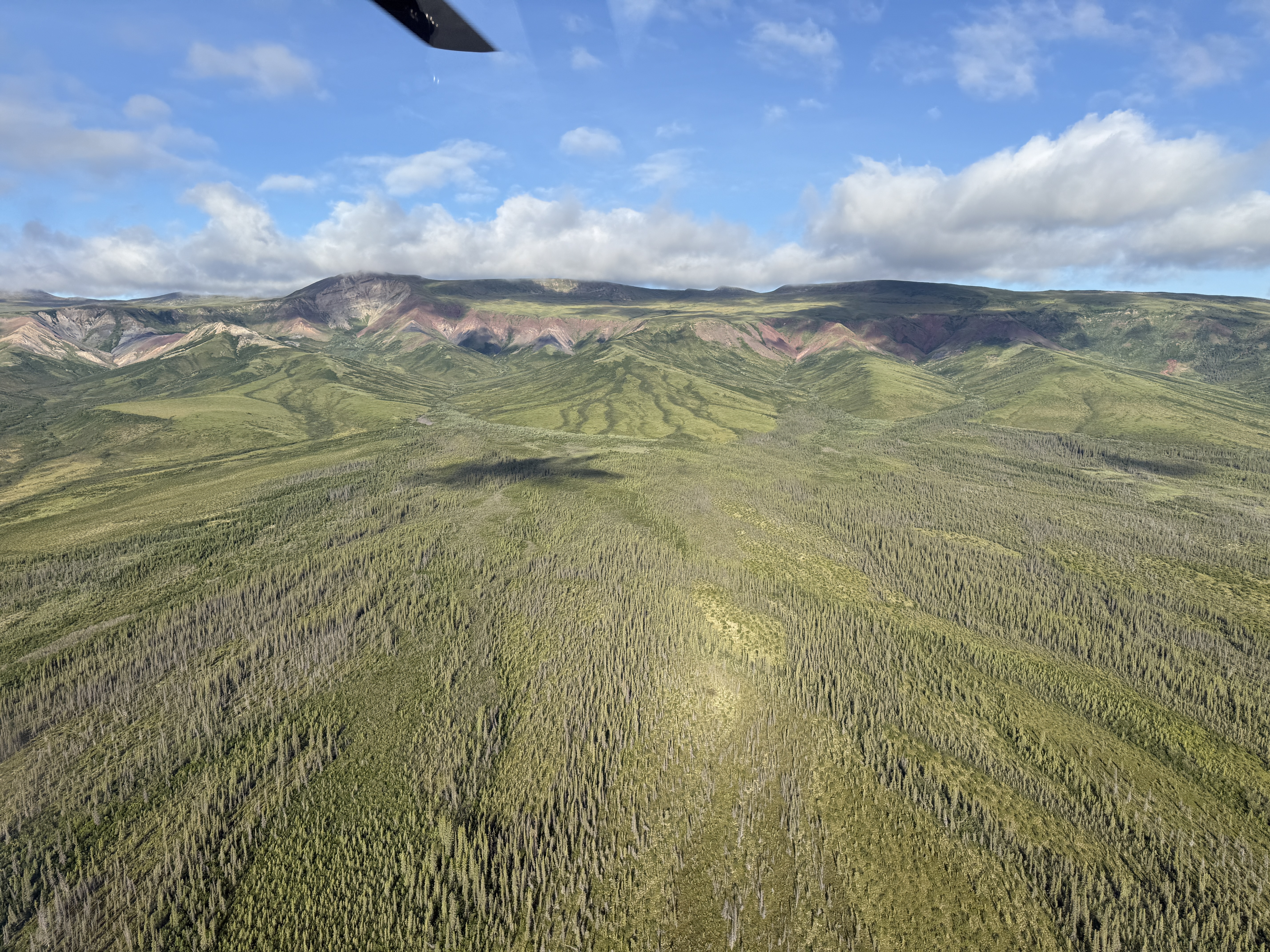
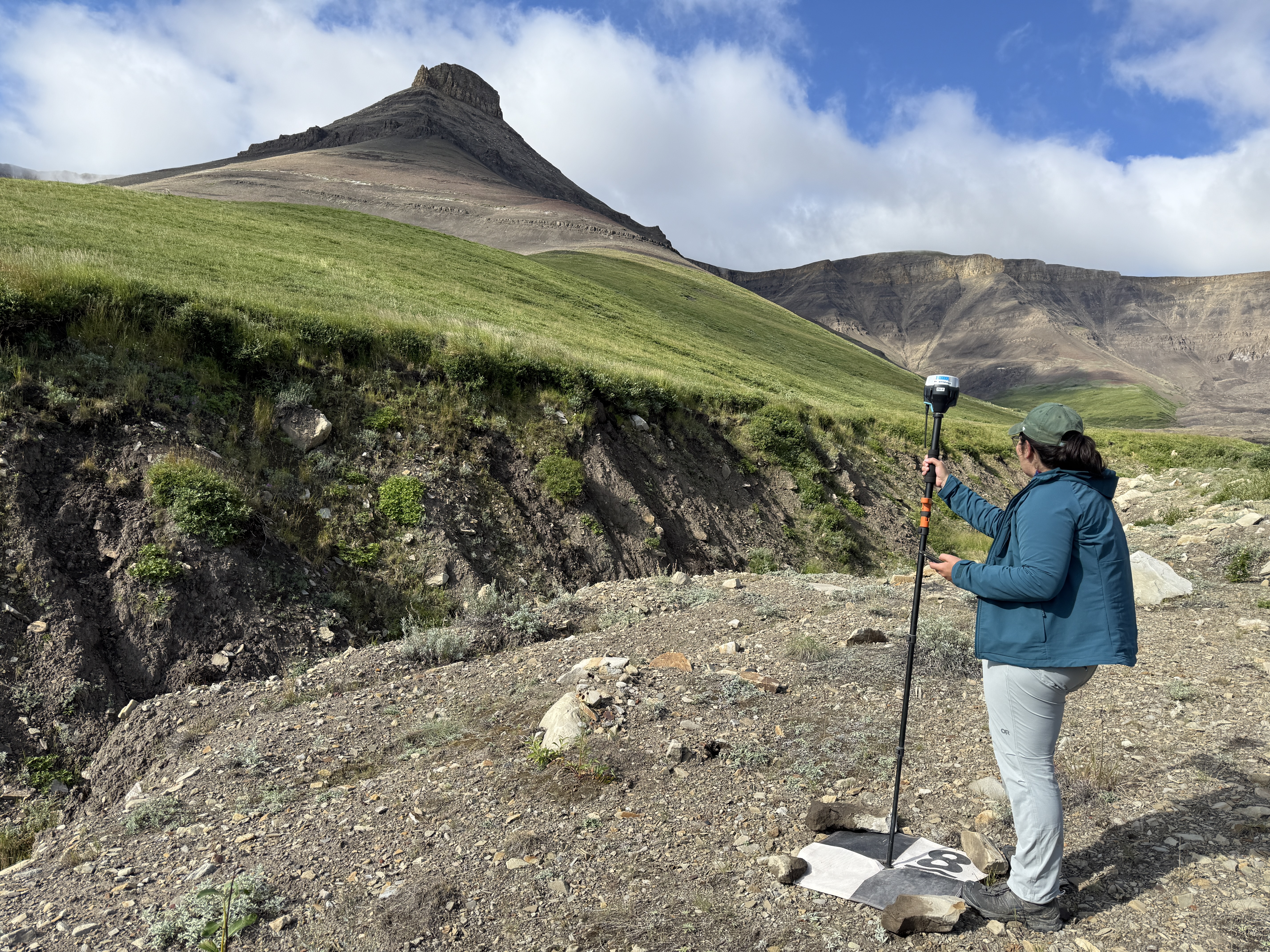
Although this project works primarily with LiDAR data and historical imagery, I was fortunate to visit the Aklavik Range in Summer 2025
Alluvial fans as archives of Arctic climatic change
Alluvial fans serve as valuable archives of past climate and erosion rate. In the Arctic, this record is shaped by frost-driven processes. Yet, the primary drivers shaping Arctic fan sedimentation processes remain largely understudied, despite the pressing impacts of modern climate warming. This project, which focuses on the Aklavik Range of the Richardson Mountains in the Northwest Territories, Canada, uses remote sensing to explore how Artic climate shapes fan sediment transport and debris flow recurrence from the Holocene to today.
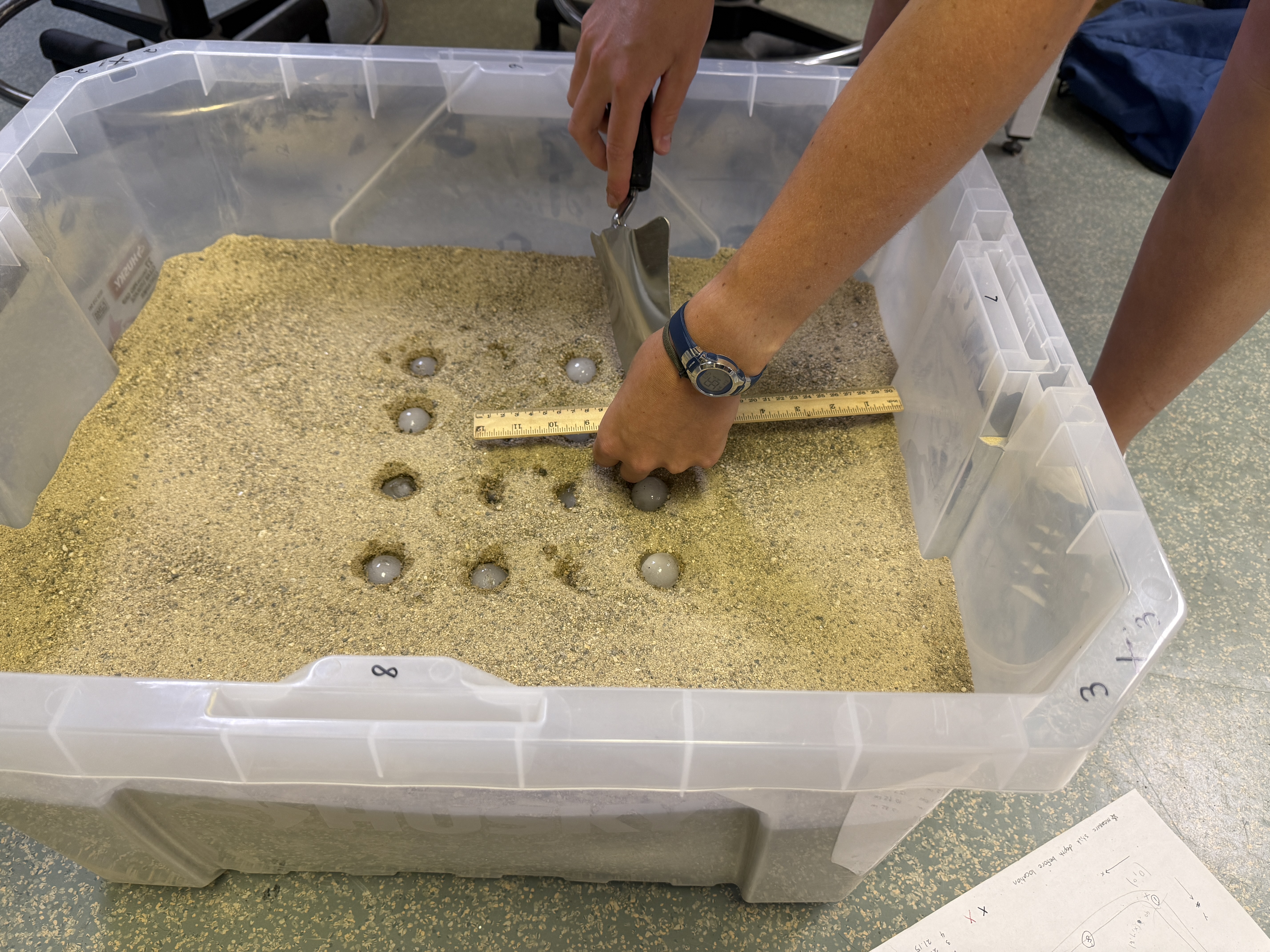
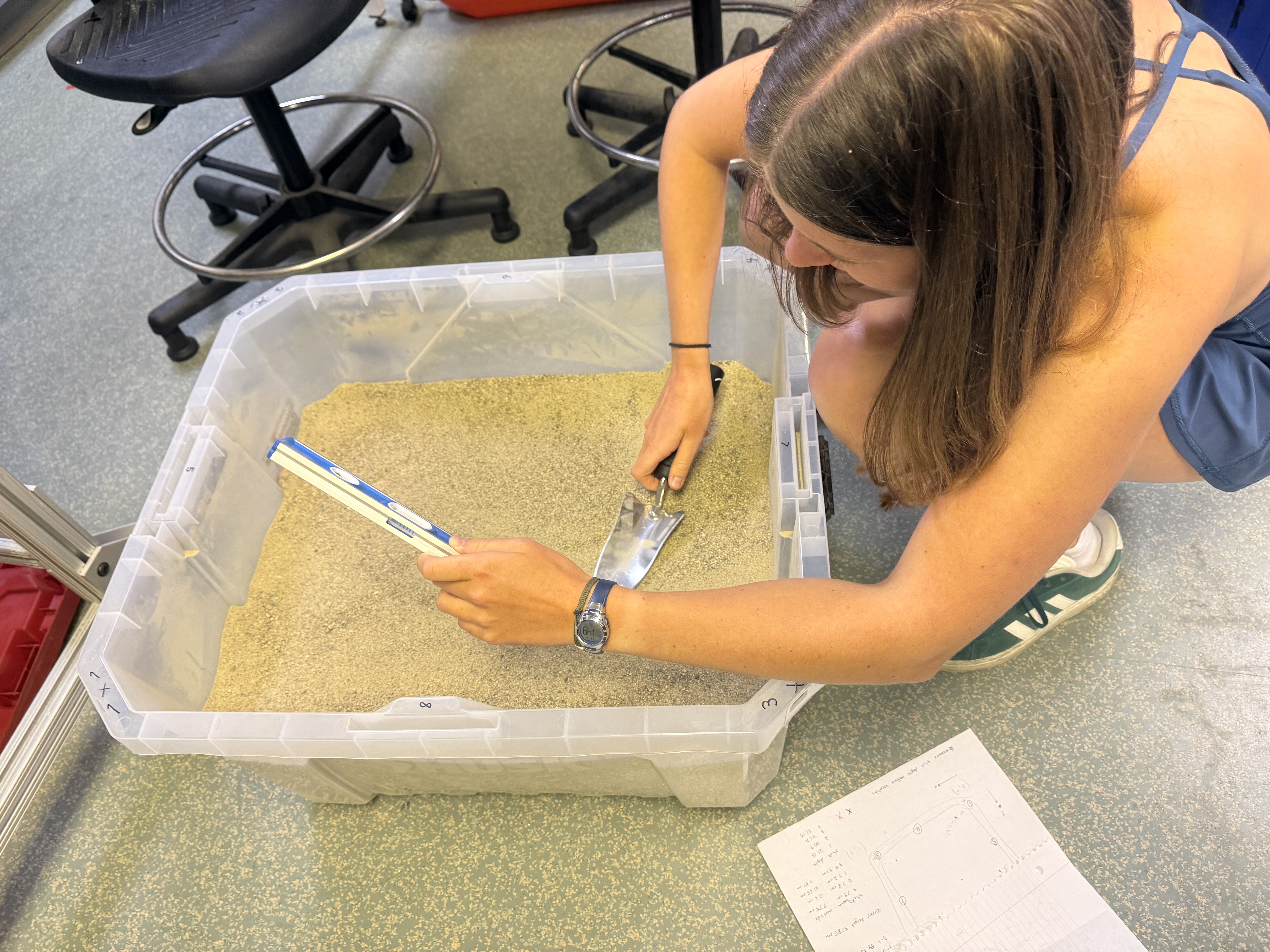
Lang Burgess (Dartmouth '27) running experiments in our "Sandbox of Science"
From ice blocks to sediment records: insights into deglacial kettles
Kettles form when buried glacial ice melts, leaving behind a depression. These features have major impacts on postglacial topography and landscape evolution following ice retreat. This project uses laboratory experiments and structure-from-motion photogrammetry to study the relationships between ice burial conditions the resulting surface topography. We are analyzing our experimental topography results using a number of computational approaches and comparing our findings to real kettle landscapes in Arctic and post-glacial settings. This project is being completed in partnership with my undergraduate research student Lang Burgess (see Teaching & Mentoring page) and in collaboration with Luke Zoet at University of Wisconsin.
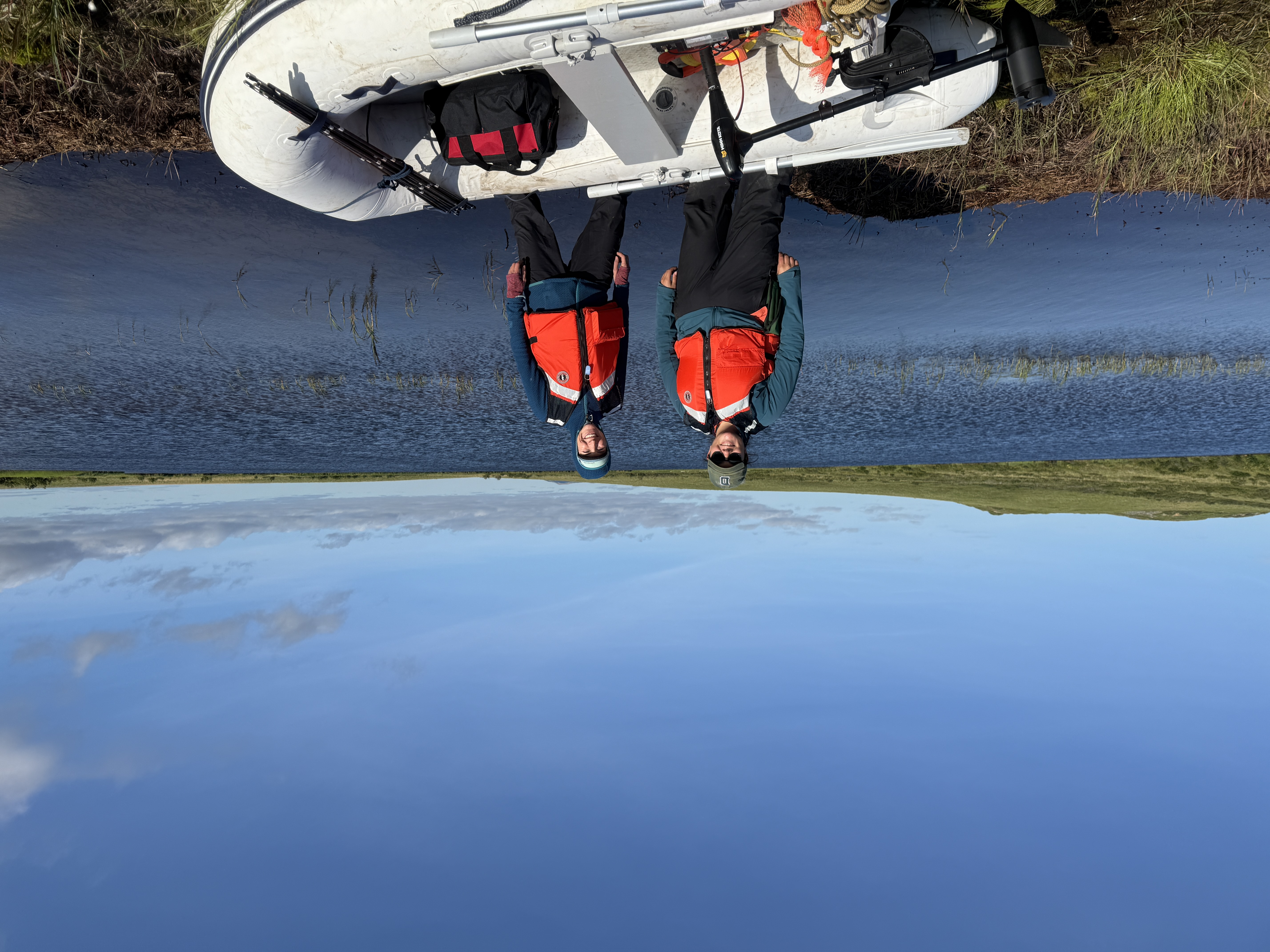
Shanti Penprase and Marisa Palucis (Dartmouth) getting ready to collect preliminary data in the Aklavik Range
Arctic Sedimentation
This project is interested in understanding Holocene post-glacial climate and sedimentation rate along the Aklavik Range in the Northwest Territories of Canada. This work has key implications for understanding how Arctic landscapes recover during periods of major climate change. I am currently working to develop this project into a proposal with several collaborators at Dartmouth College and we collected preliminary data for this project in Summer 2025.
Ph.D. Research
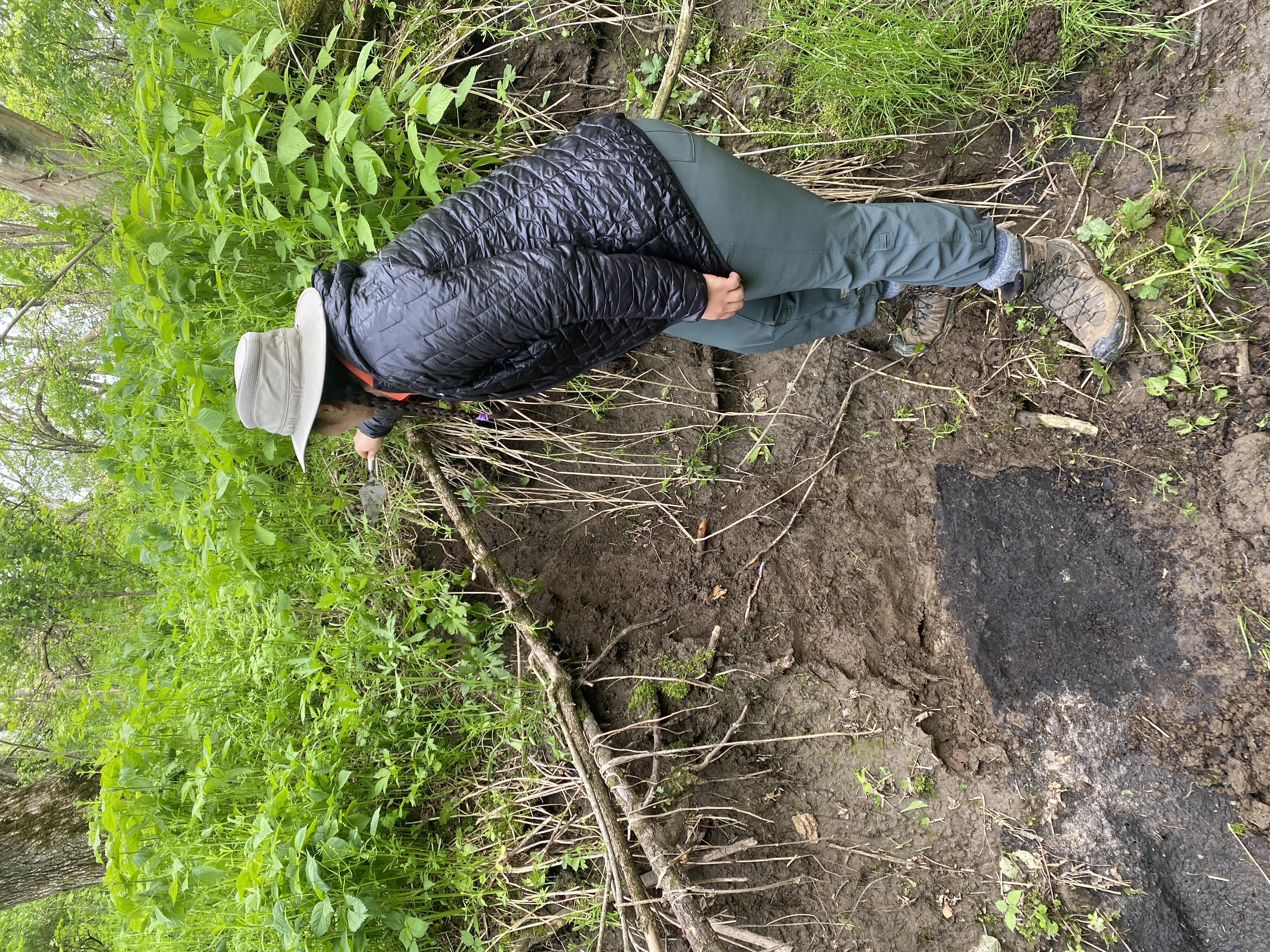
Pointing to the top of the post-settlement alluvium that buries the pre-settlement soil (black) in the Whitewater River, Minnesota
Plow vs. Ice Age
Landscapes of the midwest are still recovering from long-term, post-glacial climate. Yet, Euro-American settlement in the region following the 1850s CE has majorly altered geomorphic processes. This work, published in Geology, examines how changes in climate, glaciation, and land use impacted fluvial erosion rates throughout the late Quaternary and into the post-settlement period. The project found that erosion rates triggered by Euro-American agriculture are 8 to 10 times higher than the normal range of erosion rate for the region over the last 20,000 years. This has crucial implications for contextualizing the role of humans in geomorphic processes.
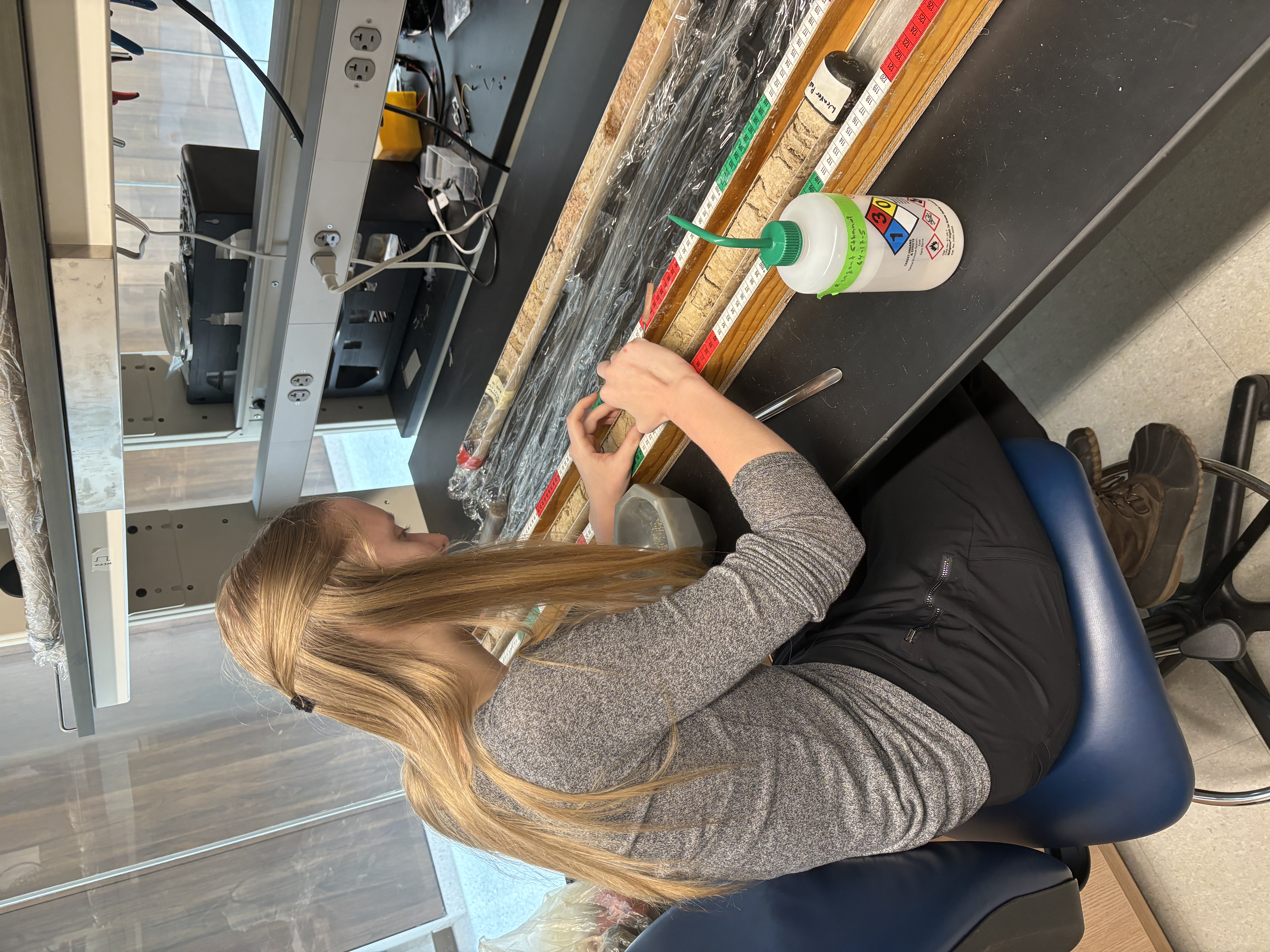
Abby Wilwerding (Minnesota '24) working in the lab to describe sediment cores
Tracing late-glacial meltwater routing to the ocean using slackwater sediment records
Slackwater sediments are deposited with river mouths are inundated by floodwaters. In this project, we analyzed a slackwater sediment core taken from a tributary river system in southeastern Minnesota and related sediment geochemistry to sediment provenance and shifts in southern Laurentide Ice Sheet meltwater routing in the Holocene. University of Minnesota undergraduate Abby Wilwerding (see Teaching & Mentoring page) was instrumental in this work and the manuscript is currently in review.

Mati Romero (Wisconsin), Andy Wickert (Minnesota), Max Van Wyk De Vries (Cambridge), Shanti Penprase (Dartmouth), and Kelly MacGregor (Macalester) on Perito Moreno Glacier, Patagonia, Argentina
Collaborator-Driven Projects: Climate and Glacial Change in Southern Patagonia
I have been fortunate to collaborate on several co-authored research publications from work in the Southern Patagonian Ice Field. These projects include constraining late-Quaternary glacial change in relation paleoclimate for the southern hemisphere via geochronology and geomorphic mapping, building and installing open-source ablation stakes on the Perito Moreno glacier, and using modern river discharge coming off the Ice Field to demonstrate increasing glacial melt with modern warming.